
What Is a Flanged Cartridge Immersion Heater and Where Is It Used? (FCH)
Flanged Cartridge Immersion Heater: What Is It and Where Is It Used?
In industrial heating applications, reliability, safety, and precise temperature control are of great importance. One of the solutions designed to meet these requirements is the flanged cartridge immersion heater. These heaters are widely used for the controlled and efficient heating of liquids and process fluids.
Structure of the Flanged Cartridge Immersion Heater
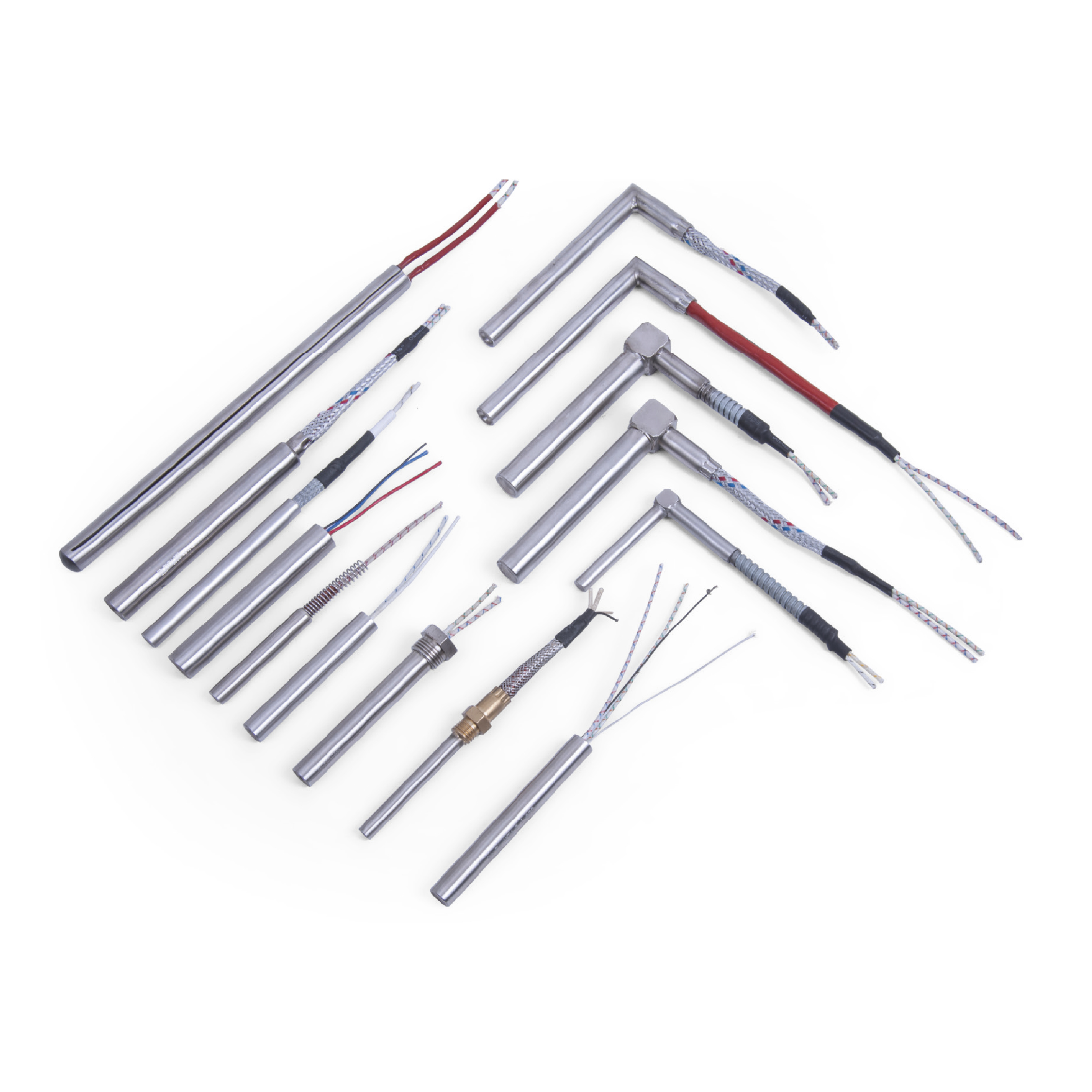
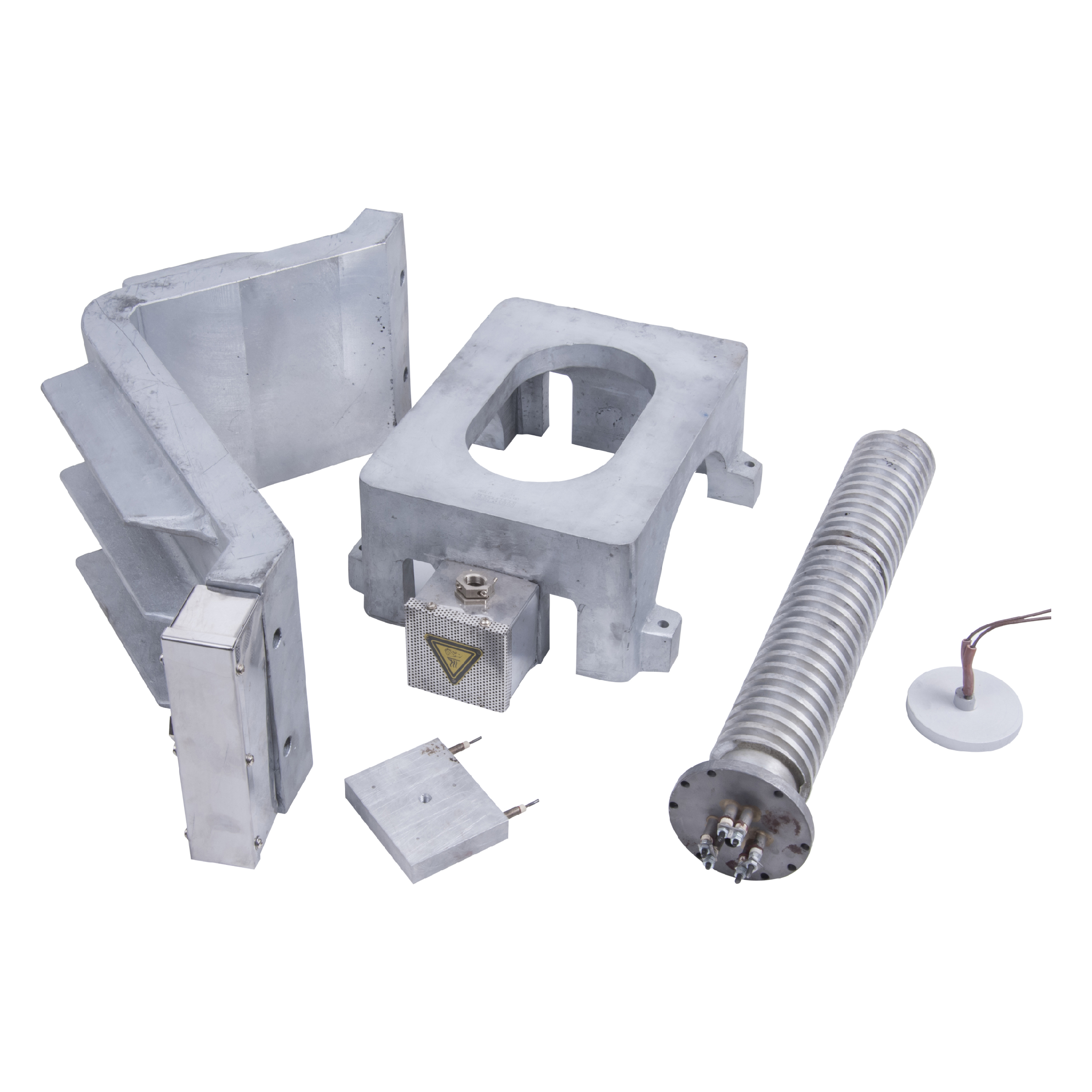
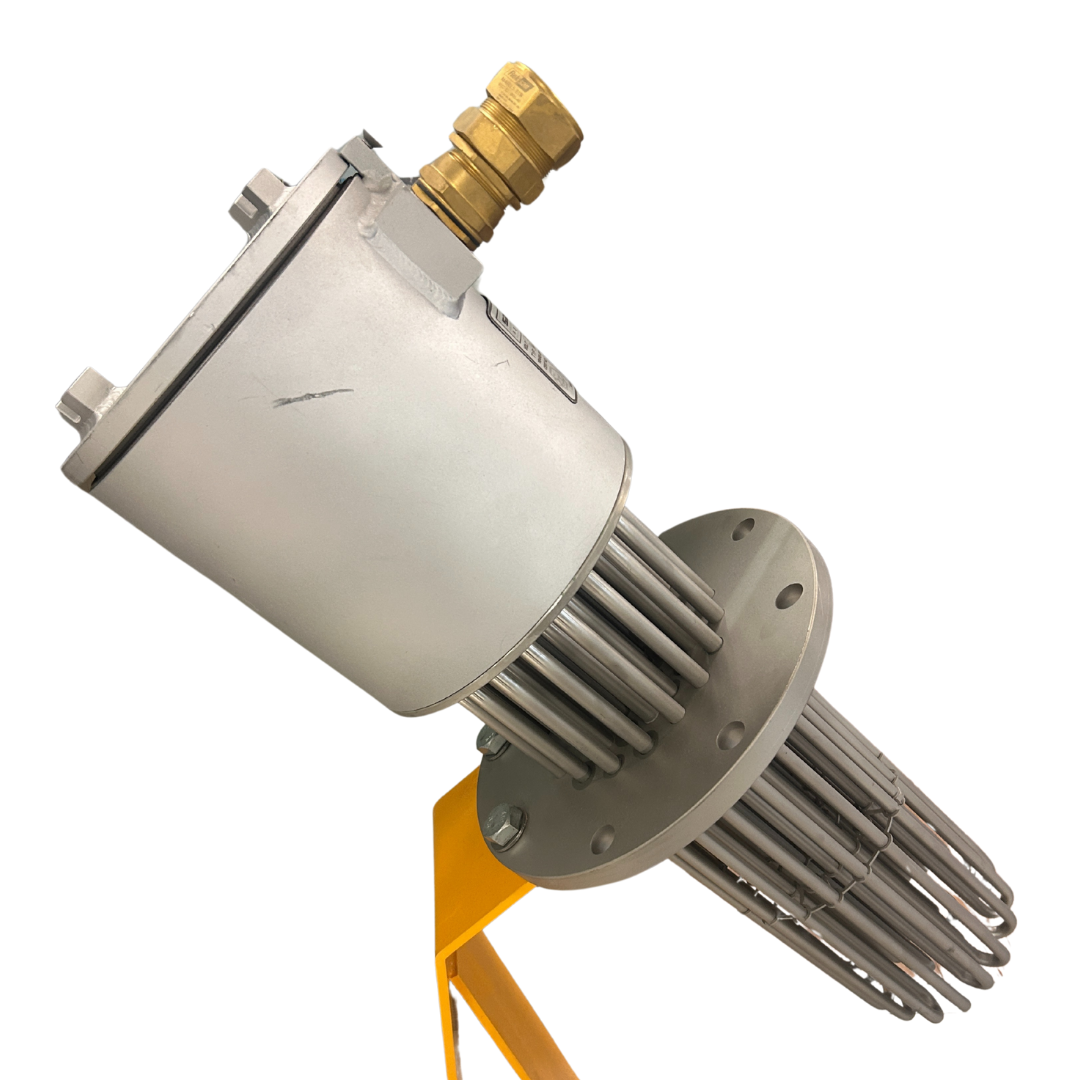
Flanged cartridge immersion heaters are constructed by mounting multiple cartridge heaters onto a common flange. This structure allows the heater to be installed directly and leak-free into tanks, vessels, or process equipment.The flanged connection increases mechanical strength, while the cartridge heaters provide uniform heat distribution, improving overall system performance.
Advantages of Flanged Cartridge Immersion Heaters
One of the most important advantages of this type of heater is its high heating efficiency. Positioning the heating elements close to the process fluid minimizes heat losses. In addition, the flanged design significantly simplifies installation and maintenance.
Main advantages include:
- Uniform and controlled heating
- High mechanical strength
- Easy installation and removal
- Long service life
- Suitable for continuous operating conditions
Applications
Flanged cartridge immersion heaters are preferred in many industrial sectors. Common application areas include:
- Chemical and petrochemical plants
- Oil, water, and thermal fluid heating systems
- Energy and power generation facilities
- Industrial tanks and boiler applications
- Process heating systems
Custom Design and Engineering Support
Every industrial application has different requirements. For this reason, flanged cartridge immersion heaters can be custom-designed by taking operating temperature, pressure, fluid type, and mechanical dimensions into account. A properly engineered system improves energy efficiency and reduces operating costs.